
مُرَكَّبَ إِشَارِيٌّ

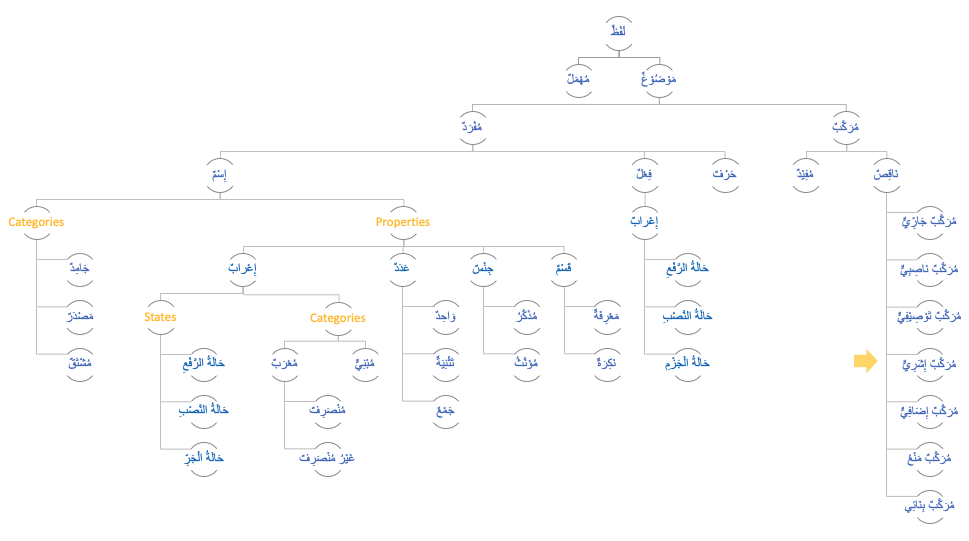
In Arabic أَسْما ءُ الإِشارَةِ phrase are إِسْمٌ used to point to other إِسْمٌ. In English, these are called demonstrative pronouns, such as ‘this’, ‘that’, ‘these’ and ‘those’.
Lets work through an example:
هٰذَا الرَّجُلُ
this man
ِIn this phrase the pointing word is هٰذَا (this), it is called the اسْمٌ الْإِشَارَةِ. The pointing at word is الرَّجُلُ, it is called مُشَارٌ إِليهِ.
Rules
Rules for forming a أَسْما ءُ الإِشارَةِ phrase (incomplete sentence):
1. Remember أَسْما ءُ الإِشارَةِ are always مَعْرِفَةٌ (proper).
2. The مُشَارٌ إِليهِ must have an ال.

If مُشَارٌ إِليهِ doesn’t have an ال, it would be a complete sentence. e.g. هٰذَا رَجُلٌ (This is a man)
3. The أَسْما ءُ الإِشارَةِ and مُشَارٌ إِليهِ have the matching 4 إِسْمٌ properties ( إِعْرابٌ , قَسْمٌ , عَدَدٌ ,جِنْسٌ).
Lets work through an example to explain the أَسْمَاءُ الإِشَارَةِ phrase form:
هٰذِهِ الْبِنْتُ
this girl
Explanation:
- هَٰذِهِ is the أَسْمَاءُ الإِشَارَةِ
- الْبِنْتُ is the مُشَارٌ إِليهِ
- The مُشَارٌ إِليهِ has an ال.
- The أَسْما ءُ الإِشارَةِ and مُشَارٌ إِليهِ have the matching 4 إِسْمٌ properties ( إِعْرابٌ , قَسْمٌ , عَدَدٌ ,جِنْسٌ)
أَسْما ءُ الإِشارَةِ Table
Following is the list of the أَسْما ءُ الإِشارَةِ.
| جَمْعٌ (Plural) | تَثْنِيَةٌ (Dual) | وَاحِدٌ (Singular) | |
|---|---|---|---|
| هَٰؤُلَآءِ these | هَٰذَانِ these two | هَٰذَا this | رَفْعٌ مُذَكَّرُ (Masculine) |
| هَٰذَيْنِ these two | نَصْبٌ & جَرٌّ مُذَكَّرُ (Masculine) | ||
| هَٰتَانِ these two | هَٰذِهِ this | رَفْعٌ مُؤَنَّثُ (Feminine) | |
| هَٰتَيْنِ these two | نَصْبٌ & جَرٌّ مُؤَنَّثُ (Feminine) | ||
| أُوْلَٰئِكَ those | ذَانِكَ those two | ذٰلِكَ that | رَفْعٌ مُذَكَّرُ (Masculine) |
| ذَيْنِكَ those two | نَصْبٌ & جَرٌّ مُذَكَّرُ (Masculine) | ||
| تَانِكَ those two | تِلْكَ that | رَفْعٌ مُؤَنَّثُ (Feminine) | |
| تَيْنِكَ those two | نَصْبٌ & جَرٌّ مُؤَنَّثُ (Feminine) |
The إِعْرابٌ of the تَثْنِيَةٌ form is declinable (مُعْرَب), whereas the وَاحِدٌ and جَمْعٌ form are not declinable (مُبْنِيٌّ). The مُبْنِيٌّ ones إِعْرابٌ can be identified by placement in the phrase/sentence.

Memorise the أَسْما ءُ الإِشارَةِ table.
Phrase vs Sentence
We discussed how to make a أَسْمَاءُ الإِشَارَةِ phrase e.g. ‘this girl’. Here we will discuss, what we need to do if we want to make a complete sentence e.g. ‘This is a girl’.
Rules for forming a أَسْما ءُ الإِشارَةِ complete sentence:
1. Remember أَسْما ءُ الإِشارَةِ are always مَعْرِفَةٌ (proper).
2. The مُشَارٌ إِليهِ must Not have an ال.
3. The أَسْما ءُ الإِشارَةِ and مُشَارٌ إِليهِ have the matching 4 إِسْمٌ properties ( إِعْرابٌ , قَسْمٌ , عَدَدٌ ,جِنْسٌ).
Example of أَسْما ءُ الإِشارَةِ phrases and complete sentences from the Quran:
| Phrase | Complete Sentence |
|---|---|
| هٰذَا الْقُرْآنُ this Quran | تِلْكَ حُدُوْدُاللهِ That is the boundaries of Allah |
| فِيْ هَٰذِهِ الْحَيَاةِ الدُّنْيَا in this worldly life | أُوْلَٰئِكَ أَصْحَابُ النَّارِ Those are the companions of the fire |
| فَلْيَعْبُدُوا رَبَّ هٰذَا الْبَيْتِ let them worship the Lord of this House | هَٰذِهِ نَاقَةُ اللهِ This is the she-camel of Allah |
Furthermore if we want to create a sentence with an ال. For example, if we want to create ‘This is the man’, then follow the following steps:
Step 1: Translate ‘The man’ الرَّجُلُ
Step 2: add أَسْما ءُ الإِشارَةِ, which results in هٰذَا الرَّجُلُ (This man). However, we have a problem, we have made a أَسْما ءُ الإِشارَةِ phrase rather than a complete sentence.
Step 3: Use the appropriate pronoun to separate the أَسْما ءُ الإِشارَةِ and the مُشَارٌ إِليهِ (with the ال). resulting in هٰذَا هُوَ الرَّجُلُ (This is the man).